Railroad Empire: Train Game
Azur Interactive Games LimitedSimulation
4.31.70K Reviews
- Version
- 6.3.4
- Installs
- 5.00M
- Age Rating
- Everyone
Screenshots
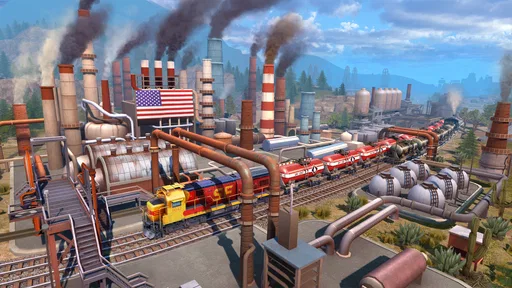
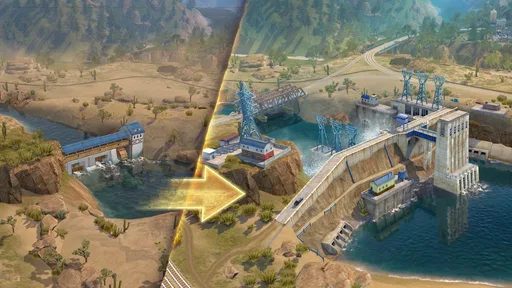
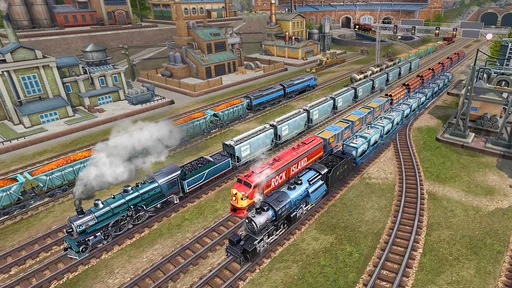
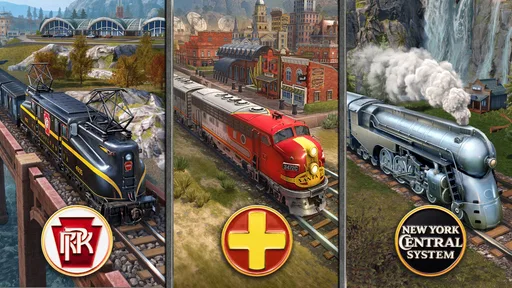
Our Review of Railroad Empire: Train Game
 Analysis by Appyee
When I think about Railroad Empire: Train Game, the appeal is not only the trains themselves but the steady stream of choices involved in turning separate connections into a working railway. It is a free simulation game from Azur Interactive Games Limited, and its mix of route building and business management suits players who enjoy planning rather than simply watching a train pass by. I would approach it as a relaxed strategy game with decisions to revisit, not as a detailed real-world railway simulator.
Choosing routes with a longer view
The satisfying part of building a network is deciding what a new connection should achieve. A short link can help serve a nearby destination, while a longer route may open up room to grow; either way, laying track is only useful if the trains and services can make that investment worthwhile. I found it helpful to think a few steps ahead: before expanding, consider whether the connection fits the network you are already developing, rather than treating every available stretch of land as an automatic opportunity.
That planning also makes train upgrades more interesting. An engine that seems attractive in isolation may not be the best use of resources if the route it will serve does not benefit from its capabilities. Likewise, expanding a station or choosing to serve an industry is most meaningful when it addresses a real need in your network. Spend with a route in mind, and the business side feels less like a string of purchases and more like a series of connected decisions.
Deciding when the reward is worth the risk
Expansion has an appealing promise: more territory and more ways to connect places. But committing resources before the rest of the network is ready can leave you with a plan that looks impressive and feels awkward to manage. I prefer a measured approach: make one useful improvement, see how it fits, then decide whether the next investment should strengthen that route or start a new one. That pause gives you a chance to learn from your existing layout instead of assuming that growth alone equals progress.
The same trade-off applies when choosing between speed and carrying capacity. The right decision depends on what a particular service needs, so I would avoid upgrading simply because a bigger or faster train sounds like an obvious improvement. For a player who likes weighing opportunity against cost, that uncertainty is part of the appeal. If you would rather have a game where every upgrade is an uncomplicated reward, the management layer may feel like extra work.
A good fit for short visits and patient sessions
This is an easy game to picture in an ordinary day: I might open it during a quiet break, check which part of my railway needs attention, make a considered upgrade or connection, then leave the larger expansion for another session. Its appeal comes from returning to a network with a plan, not from needing to make every decision in one sitting. That makes it a more natural fit for players who enjoy gradual progress than for anyone looking for a fast, action-heavy game.
Its audience is broader than train collectors alone. If you enjoy simulation games, simple route planning, and the challenge of balancing business choices, the railway theme gives those familiar ideas a distinctive frame. On the other hand, players seeking a hands-on driving experience or a precise recreation of railway operations should look elsewhere: the focus here is building and managing a network, rather than treating every journey as a driving simulation.
Where it sits among simulation games
Compared with a conventional city-building game, the central question here is how rail connections serve the wider business, not how to arrange every part of a town. Compared with a train-driving simulator, it puts more attention on network growth and management than on operating a locomotive from the cab. That distinction helps set expectations. The game is most compelling when I am thinking about the purpose of a route and the next sensible investment; it is less suited to someone who wants realistic timetables or detailed control of each train.
It is also worth considering what kind of challenge keeps you interested. Some simulation games offer a large sandbox for free-form construction, while others emphasize tightly defined tasks. Here, the appeal described by its play is the combination of building, upgrading, and pursuing objectives. I would choose it when I want a clear railway-management focus, but pick a broader construction game if I want to shape a whole city, or a dedicated locomotive simulator if the journey itself is the main attraction.
Getting Started
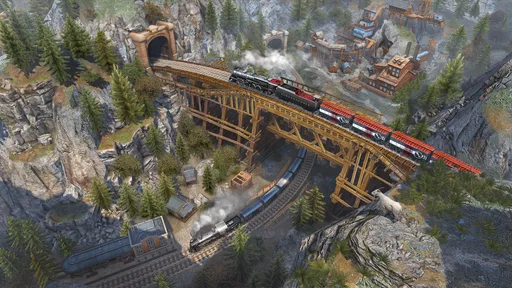
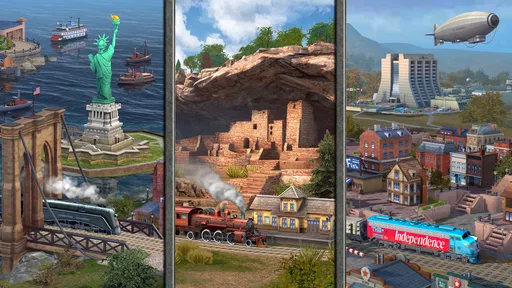
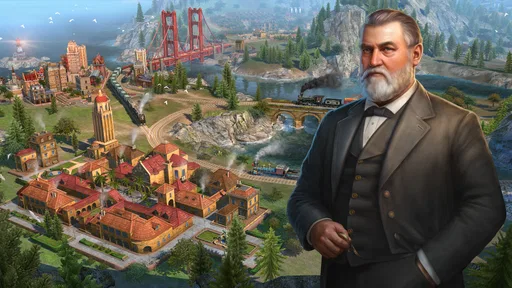
The first thing I noticed about Railroad Empire: Train Game is its vibrant and immersive interface. The app does a fantastic job of pulling you into the era of steam locomotives, with detailed graphics that make each train and station come to life. Starting out, the app eases you in with a helpful tutorial that covers the basics of track building, train management, and economic strategy.
I quickly found myself laying tracks through lush forests and over winding rivers, all while trying to connect bustling cities. The game’s intuitive drag-and-drop controls make it easy to get the hang of constructing your rail network. But don’t let the simplicity fool you; there’s a deep layer of strategy beneath the surface.
Building Your Empire
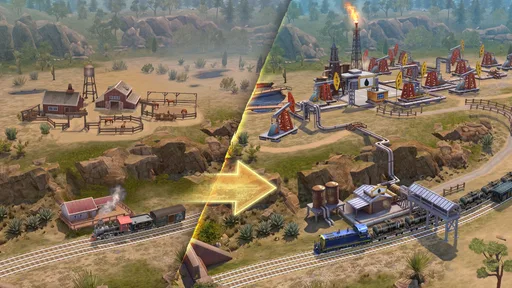
Running a successful railroad isn’t just about connecting point A to point B. It’s about optimizing routes, managing resources, and ensuring your passengers and cargo reach their destinations on time. Railroad Empire challenges you to think like a true entrepreneur. I had to make decisions on train upgrades, station expansions, and which industries to service.
The app features a variety of trains, each with unique stats and capabilities. I found myself constantly weighing the pros and cons of investing in faster engines or larger freight capacities. Balancing my budget while expanding my empire was no easy feat!
Challenges and Achievements
One of the aspects I enjoyed most about the game is its dynamic challenge system. Whether it's delivering a specific number of passengers within a time limit or expanding your network to new territories, these challenges kept me engaged and motivated to keep improving.
The achievement system also adds a layer of satisfaction. There’s nothing quite like the thrill of unlocking a new badge or reaching a milestone. It’s a great way to keep track of progress and set new goals.
Community and Competition
Railroad Empire isn’t just about solo play; it also features a multiplayer mode where you can compete against friends or players worldwide. I found this aspect particularly exciting as it tests your strategies against real opponents. The leaderboard adds a competitive edge, pushing me to optimize my routes and maximize profits.
The community aspect is further enhanced through forums and social media integration, where you can share tips, strategies, and even brag about your sprawling rail network.
Paying attention to the pace and the purchase choices
The game is free to download, which makes it easy to try the opening stages before deciding whether its management loop suits you. It includes optional in-app purchases, ranging from $0.99 to $124.99 per item. I would treat those as a convenience or progression choice, not as a reason to spend by default: first work out whether you enjoy planning routes and improving your railway at the game’s natural pace. If you tend to feel pressured by optional purchases in free games, that is worth keeping in mind before you settle in.
For practical play, I would set a small goal for each visit instead of trying to overhaul the entire network. One session might be about making a route more useful; another might focus on an upgrade or challenge. This keeps decisions manageable and makes it easier to notice whether a change actually helps. It is a simple habit, but it also prevents the common strategy-game mistake of spending broadly without a clear idea of what the spending is meant to fix.
How to judge a new investment
When I am unsure whether to expand, I ask what problem the proposed connection solves. Does it help me serve a destination or industry I have chosen to prioritize? Does it make sense alongside the trains I already have? If the answer is vague, waiting is a legitimate strategy. A railway can look bigger without becoming more coherent, and the game is more rewarding when each extension has a job rather than merely adding length to the map.
Upgrades deserve the same check. Faster engines and larger freight capacity are different answers to different needs, not a universal ladder where the newest option must always be best. I would compare the benefit I expect from an upgrade with the role of the route it will support. This is especially useful if you prefer steady progress: choosing one targeted improvement can feel more satisfying than scattering resources across several changes whose effects are harder to understand.
Objectives as a way to change your priorities
Challenges can give a useful reason to rethink your immediate plan. A timed passenger delivery, for example, asks you to pay attention to service priorities, while an objective about reaching new territory shifts attention toward expansion. I would treat these tasks as prompts to adjust the next move, not as instructions to abandon every longer-term aim. The useful tension is deciding when a challenge fits the railway you are building and when pursuing it would pull resources away from a more valuable plan.
Achievements serve a different purpose. They offer milestones that can make gradual development feel visible, especially if you are the sort of player who likes having a personal target between larger objectives. They do not replace the satisfaction of a well-planned network, but they can help you decide what to work toward when you open the game without a particular task in mind.
Who will enjoy the management, and who may not
I would recommend it to someone who likes railway themes but is just as interested in planning and resource trade-offs as in the trains. It can also work for casual strategy players who want a focused setting and objectives to guide their progress. The Everyone content rating makes it suitable for a broad audience, though a younger player’s enjoyment will still depend on whether they like making management decisions rather than simply collecting or controlling vehicles.
I would skip it if your main wish is to drive a locomotive directly, study realistic operating procedures, or build a detailed town around a transport network. Those are different pleasures, and this game’s emphasis is on the railway business. I would also be cautious if you want constant action with immediate payoffs: the satisfaction here comes from considering a plan and seeing how your choices shape the network over time.
What to expect as you return
The game has a 4.3 average from around 60,000 ratings, with over a million installs, which suggests it has found an audience among mobile players. Its current version is 6.0.0, and it supports devices running Android 8.0 or later. Those details are useful when deciding whether it is a practical fit for your device, but the more important question is whether its particular blend of railway construction and business decisions matches your taste.
For me, the strongest reason to return is having a concrete decision waiting: improve an existing connection, take on an objective, or consider a new direction for the network. The weaker moments are the ones where progress starts to feel like a checklist or where I am tempted to expand without a clear purpose. Keeping a modest plan helps preserve the strategic pleasure and makes each session feel less like routine upkeep.
Final Thoughts
In conclusion, Railroad Empire: Train Game offers a rich and rewarding experience for anyone interested in strategy and management games. Its blend of historical charm, strategic depth, and competitive play makes it a standout in the app store. Whether you’re a train enthusiast or a strategy lover, this app has something to offer.
So, if you’re ready to don your conductor’s hat and build the railroad empire of your dreams, download the app and start laying tracks today. Trust me, the journey is worth every mile!
Verdict
Strengths of Railroad Empire: Train Game
- Engaging gameplay with strategic depth.
- Beautifully detailed train models and environments.
- Regular updates with new content and features.
- User-friendly interface for easy navigation.
- Offline mode available for uninterrupted play.
Limitations of Railroad Empire: Train Game
- In-app purchases can be quite expensive.
- Occasional bugs affect game performance.
- Requires significant storage space on device.
- Limited tutorial for new players.
- Some features locked behind paywalls.
Other Releases by Azur Interactive Games Limited
View All
Pick Me Up 3D: Taxi Game
Casual4.3

Bottle Flip 3D — Tap & Jump!
Casual4.2

World War Heroes — WW2 PvP FPS
Action4.5

Off Road 4x4 Driving Simulator
Racing4.3
Similar Picks in This Category
View All
Truckers of Europe 3
Wanda Software4.3

Town Building Life Simulator
XGame Global4.2

Fidget Toys Trading・Pop It 3D
Freeplay Inc4.7

Sculpt People
CrazyLabs LTD4.4

Scary Teacher 3D
Z & K Games4.2

Hair Tattoo: Barber Shop Game
CASUAL AZUR GAMES4.3
Frequently Asked Questions
What is Railroad Empire: Train Game about?
Railroad Empire: Train Game is a strategic simulation game where players build and manage their own railway systems. The game involves designing rail networks, managing train schedules, and optimizing routes to maximize profits. Players must also navigate challenges like weather conditions and economic fluctuations, making it a comprehensive and engaging experience.
Is Railroad Empire: Train Game free to play?
Railroad Empire: Train Game offers a free-to-play model with optional in-app purchases. While the core game is accessible without spending money, purchasing premium content can enhance gameplay by unlocking additional features, trains, and routes. Players can enjoy the game fully without purchases, but the option is available for those seeking more customization.
What platforms support Railroad Empire: Train Game?
Railroad Empire: Train Game is available on both Android and iOS platforms, making it accessible to a wide range of mobile device users. The game is optimized for smartphones and tablets, ensuring smooth performance and an enjoyable experience across different screen sizes and operating systems.
Are there multiplayer features in Railroad Empire: Train Game?
Yes, Railroad Empire: Train Game includes multiplayer features that allow players to compete or collaborate with friends and other players globally. This feature adds a competitive edge as players strive to build the most efficient and profitable railway network, fostering a community of railway enthusiasts.
What are the system requirements for Railroad Empire: Train Game?
For optimal performance, Railroad Empire: Train Game requires at least an Android 5.0 or iOS 10.0 operating system. Devices should have sufficient storage space and RAM to handle the game's graphics and processing demands. Regular updates may also necessitate additional space to ensure the game runs smoothly.
Play our best games!


